North Evia Microclimate
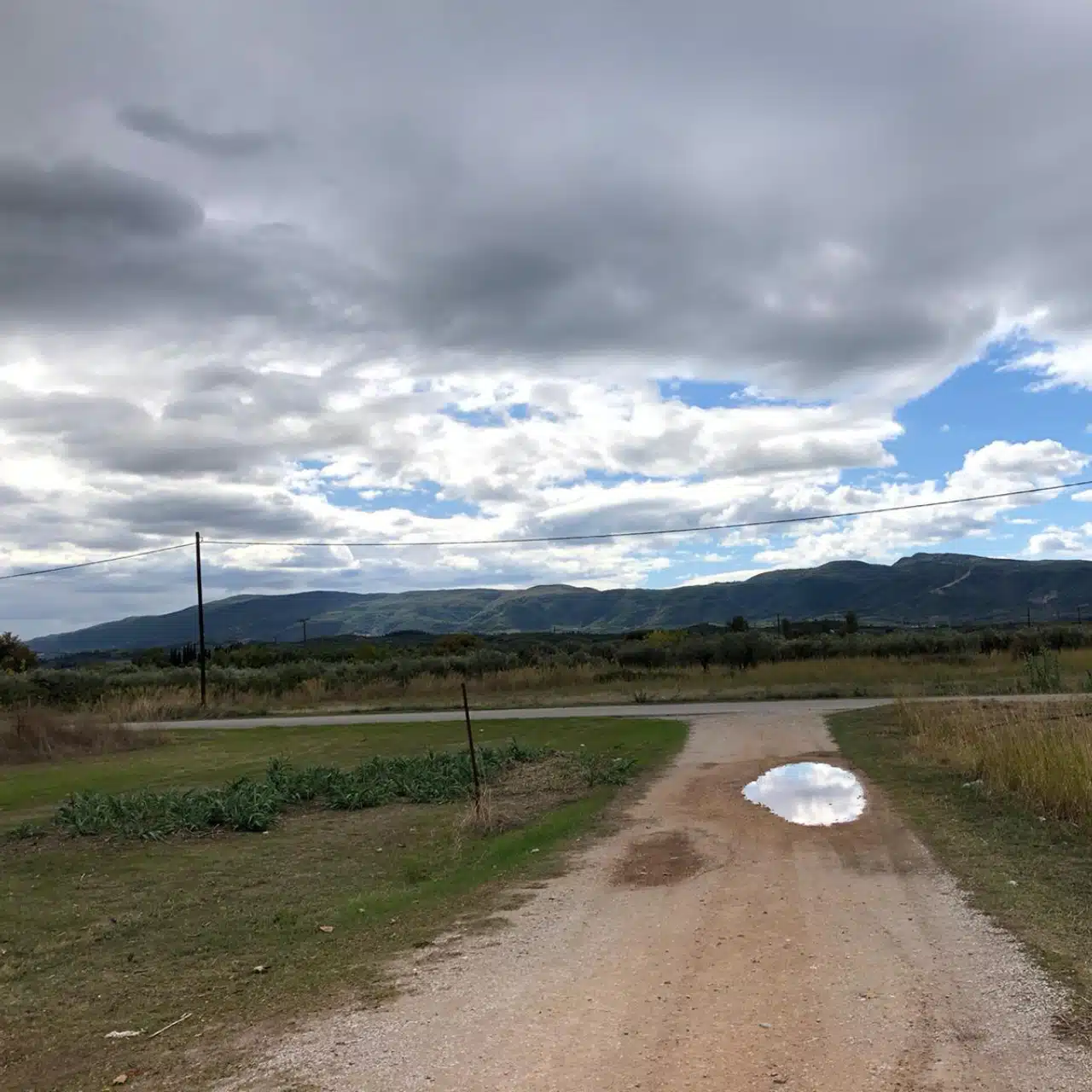
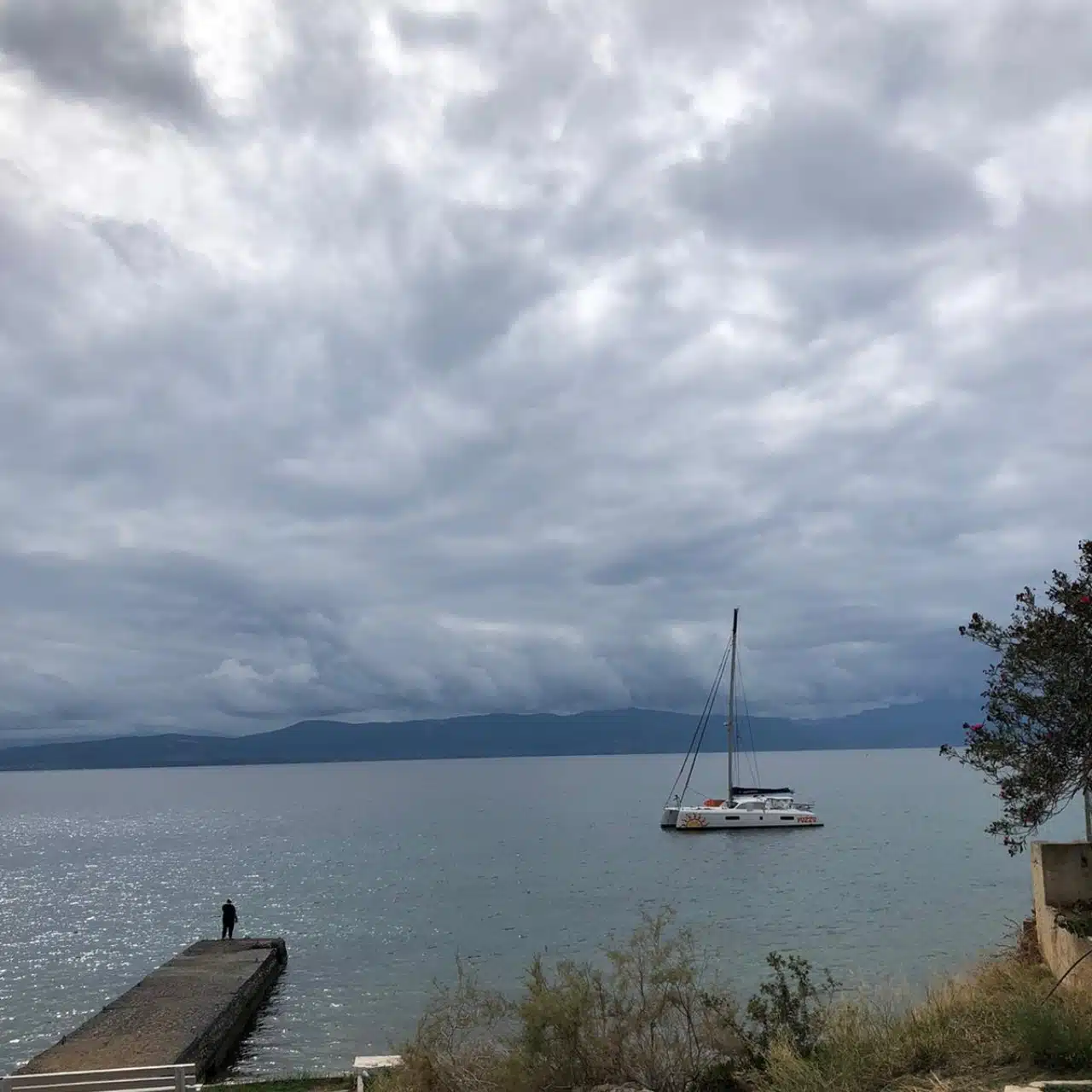
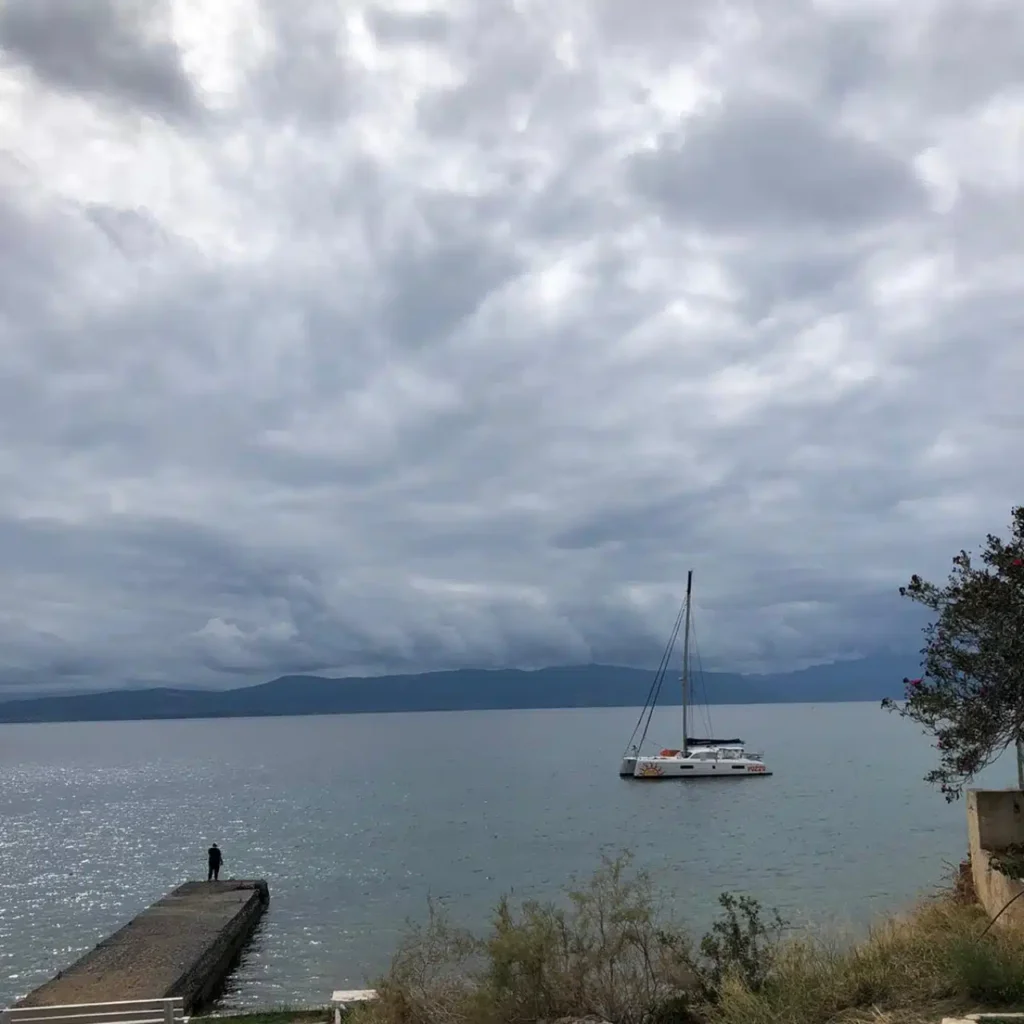
Central Greece is home to many unique microclimates, and North Evia is no exception. Here, our olive groves lie at the meeting point of two very different weather systems. From the north, a maritime climate sweeps in with humidity and strong winds. From the south, mountain forests block and slow the warmer southern winds, causing clouds to gather and push northwards. This interplay diverts the strongest weather systems eastward into the Evian Gulf and out to the Aegean, leaving behind a sheltered and balanced microclimate—ideal for growing olives.
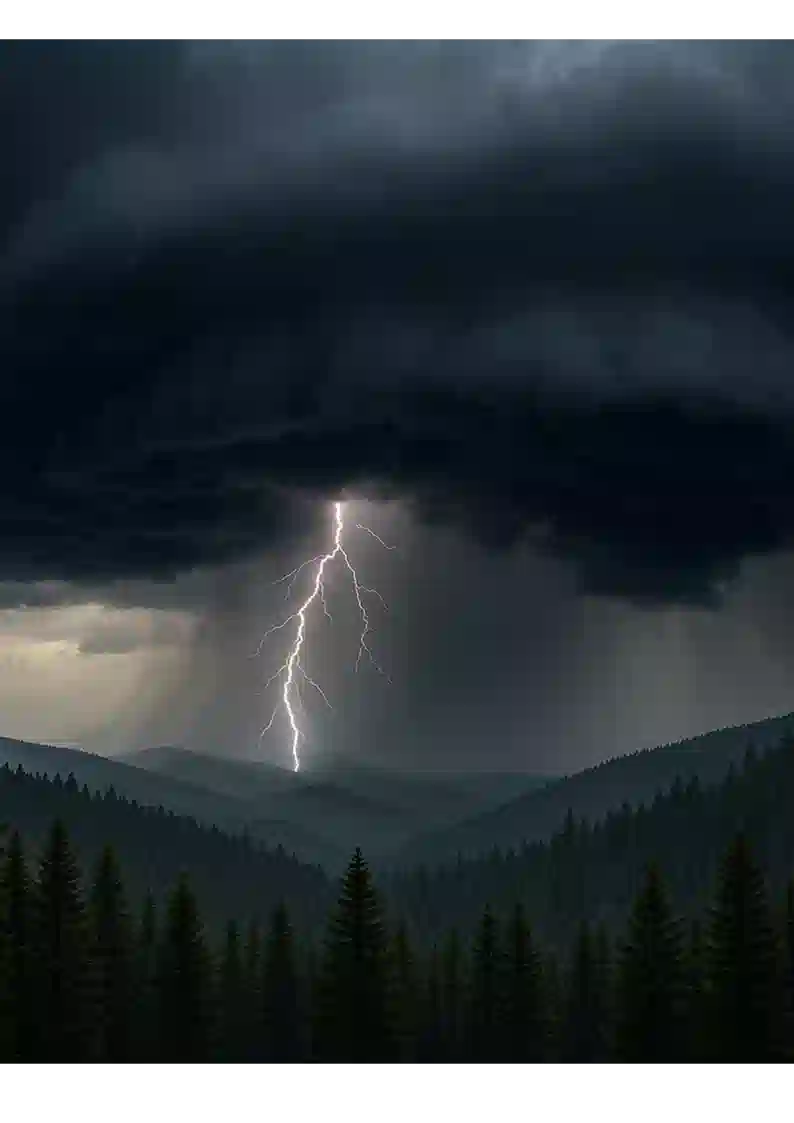
Bourini storms
Not all storms pass us by. From late spring to late summer, Central Greece is struck by the dramatic Bourini (also called vorini or vourini, from the word Voras/Boras, meaning “north”). These storms turn the sky black and unleash fierce winds, torrential rain, flash floods, and sometimes hail. Hail is especially dangerous for farmers, as it can strip unripe olives from the trees within minutes. While short-lived, often lasting just a few hours, Bourini storms are a powerful reminder of nature’s force.
Despite this, North Evia enjoys mild winters, relatively cool summers, and a steadier rainfall pattern than much of Greece, with four well-defined seasons. The air is often hydrated with sea-borne humidity, which can bring challenges such as fungal infections on ripening olives, but snowfall is rare.
The land itself is blessed with plenty of rainfall, abundant spring water, and natural artesian wells—all above sea level—helping sustain the groves year-round.
Temperature & Rainfall
Olive trees are famously resilient. With their shallow, fibrous roots, they draw on every drop of available moisture—morning dew in summer, seasonal rains in winter. Summers are hot and dry, often without rain for months except for the occasional summer storm. Winters bring the vital rainfall that restores the soil.
In 2017, a rare snowfall blanketed the groves with 1.4 m of snow, bending branches but leaving the trees largely unharmed. The harvest was already complete, and by spring the trees had put out new branches heavy with blossoms.
Weather records from North Evia highlight these extremes: temperatures have ranged from –7.4°C (January 2017) to 40.7°C (June 2014). July and August often exceed 35°C, while rainfall peaks in winter—February 2018 saw 215.6 mm, the wettest month on record. At the other extreme, July 2012 and June–July 2019 were virtually rainless. Spring and autumn provide balance, sometimes with dramatic downpours like September 2018’s 189.4 mm. This rhythm—scorching, dry summers and cool, wet winters—has shaped the resilience of both the land and the people who farm it.
Our Soil
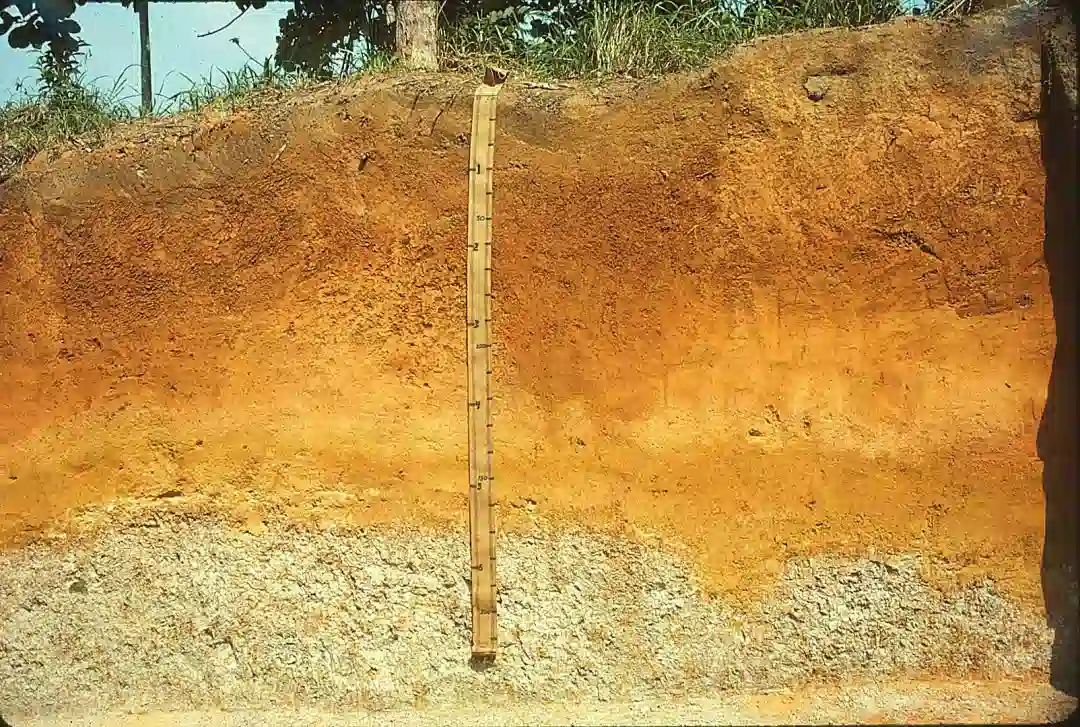
Tradition dictates that the best olives are grown on slopes, where drainage is optimal, as olive trees are susceptible to fungal infections that thrive in humidity. Harvesting olives on steep hillsides is back-breaking work. However, here at Baxedaki, we are fortunate to farm on level ground with soil that provides a unique combination of mineral-rich clay loam and well-draining sandy subsoil—an exceptional advantage for olive growers.