
Greek Extra Virgin Olive Oil (EVOO): What Makes It Special—From Ancient Presses to Modern Standards
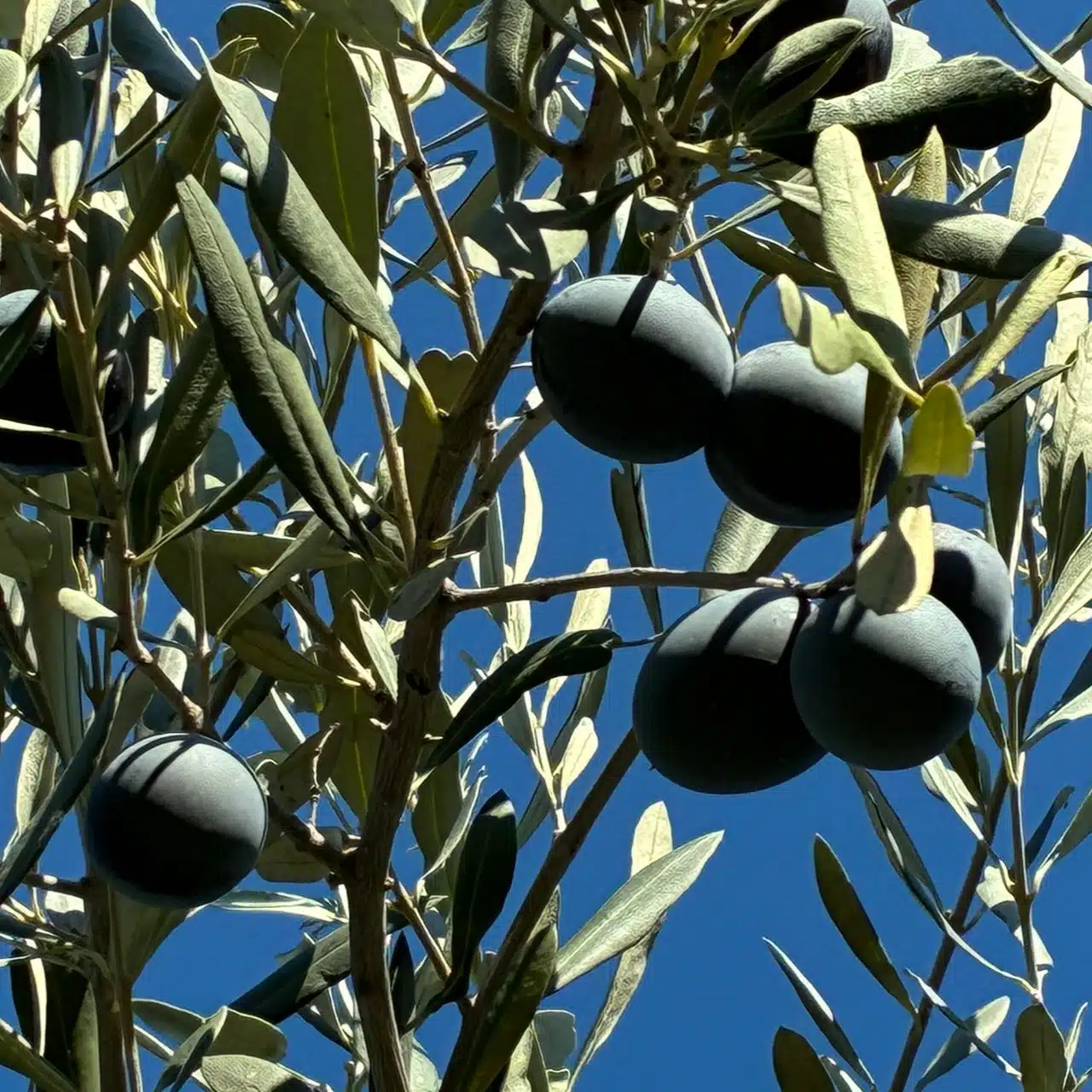
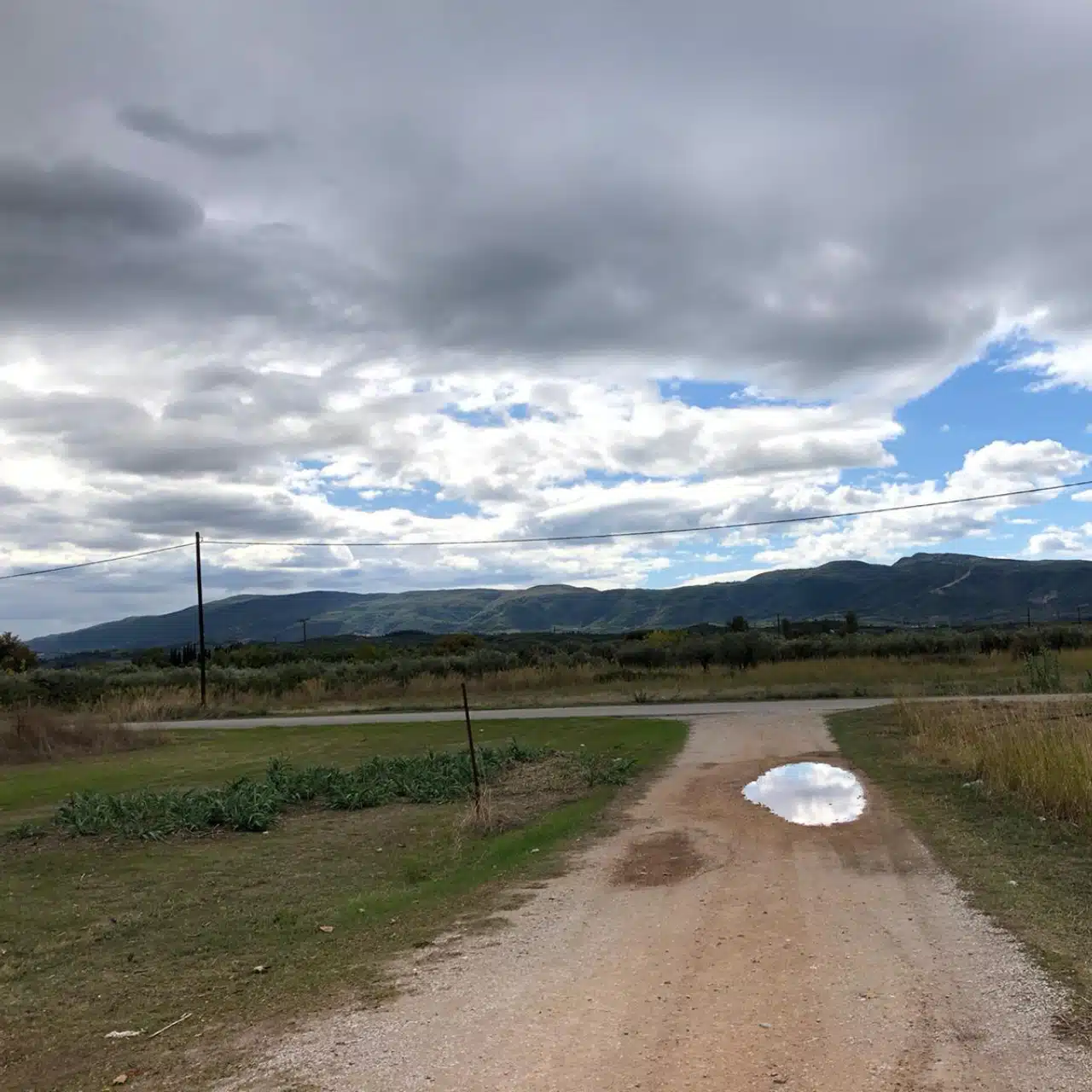
Few foods are as woven into a nation’s identity as olive oil is to Greece. From Minoan palaces to today’s family groves, Greek olive oil sits at the crossroads of history, culture, and health. Here’s a clear guide to how olive oils are classified, why acidity matters, and what the latest data say about Greek production, heritage, and longevity.
How olive oil is classified (and why acidity matters)
- Extra Virgin Olive Oil (EVOO): a virgin olive oil with free acidity ≤ 0.8 g per 100 g (0.8%) and no sensory defects. EVOO also has to meet strict chemical/organoleptic criteria beyond acidity.
- Virgin Olive Oil (VOO): virgin oil with free acidity ≤ 2.0%, meeting the IOC’s additional parameters.
- Lampante (not fit for direct consumption): virgin oil with free acidity > 3.3% and/or sensory defects; it must be refined or used for technical purposes.
- Refined olive oil and olive oil (blend of refined + virgin) are separate categories; refined has free acidity ≤ 0.3% but lacks the flavor/antioxidant profile of high-quality virgin oils.
Acidity is one gatekeeper, but EVOO status also requires passing taste panel tests and other chemical standards—so a low acidity number alone isn’t enough.
Greek olive oil by the numbers
- Greece consistently ranks among the top three olive-oil producers worldwide (with Spain and Italy), a position reflected across scholarly and industry sources.(PMC)
- The IOC reports global production fluctuating with climate: ~2.76 million tons in 2022/23, a dip to ~2.56 million tons in 2023/24, and a rebound estimated for 2024/25—context that affects every producer, Greece included. (International Olive Council)
- Within Greece, production is concentrated in the Peloponnese (≈37%), Crete (≈30%), and the Ionian Islands (≈12%), according to Greece’s Ministry of Rural Development & Food (reported in a peer-reviewed study). (PMC)
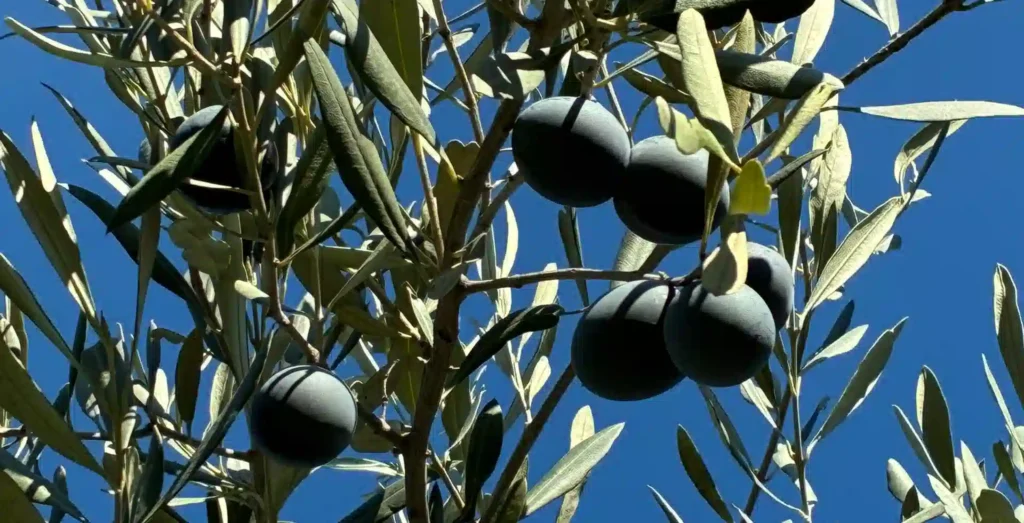
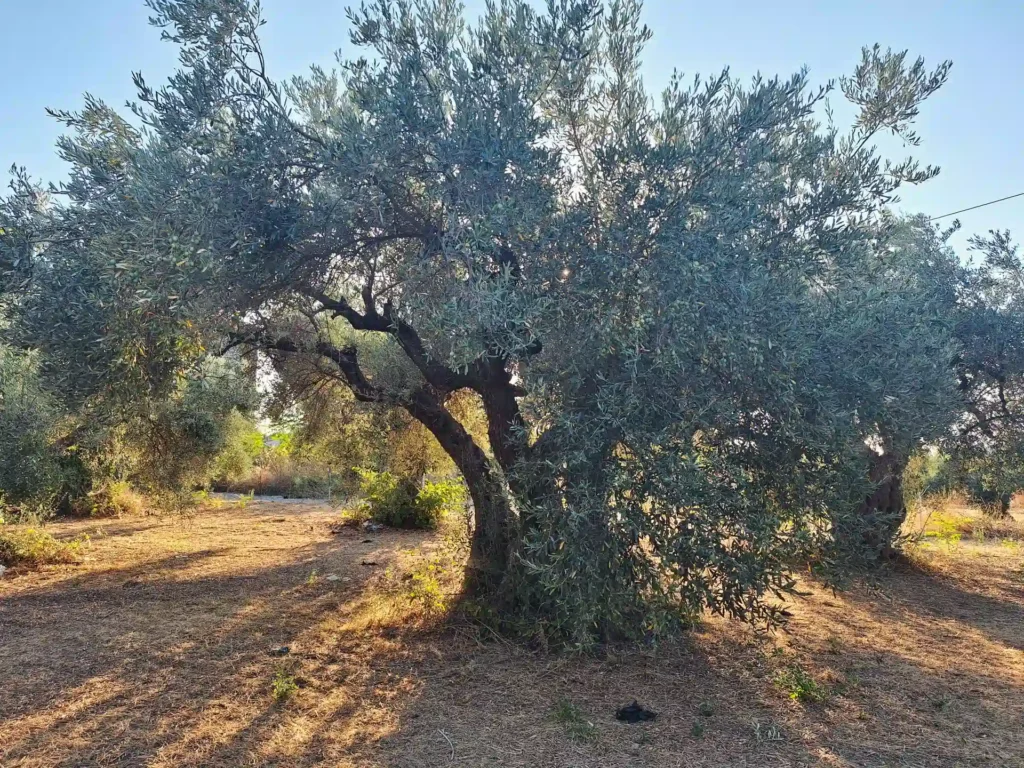
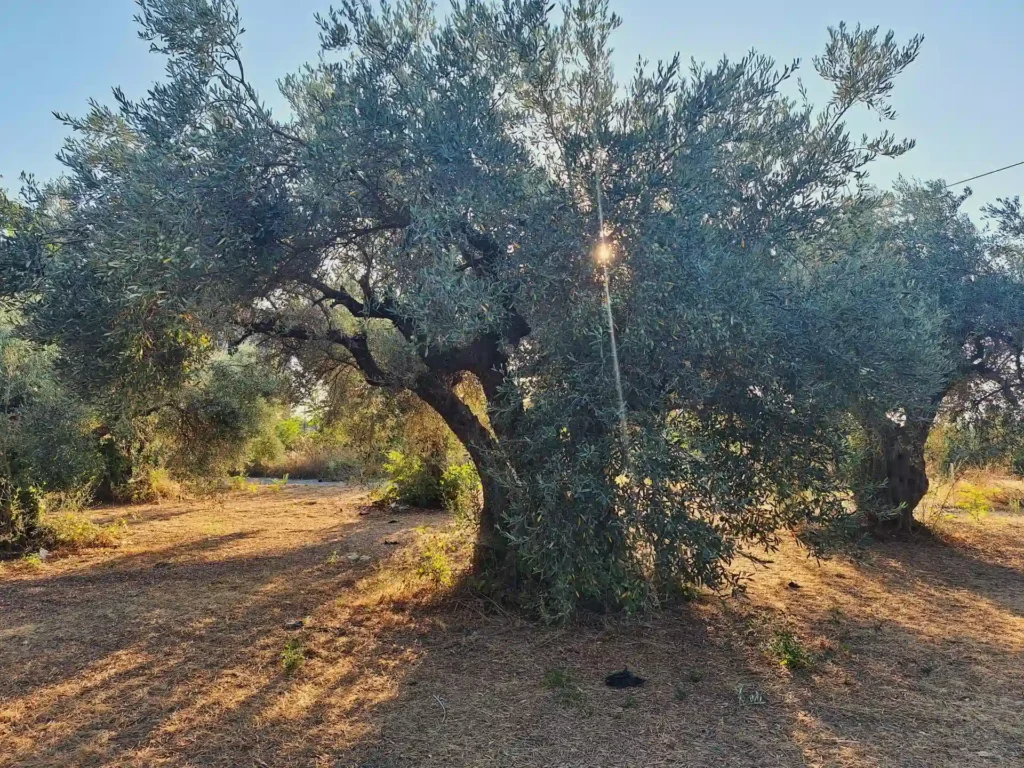
- Government tourism data note ~120 million olive trees across the country, with ~450,000 families relying on olive oil for primary or secondary income—an indicator of how deeply the sector touches everyday life. (VisitGreece)
- Historically, a very high share of Greek output qualifies as EVOO. A U.S. Department of Agriculture brief reported “more than 80%” (older but frequently cited), while harvest-specific coverage in 2023/24 suggested ~70% EVOO in some regions due to pest pressure—showing how year-to-year conditions can shift quality mix. (GAIN, Olive Oil Times)

A 6,000-year backstory
Archaeology places Greek olive oil at the heart of Bronze Age trade. Minoan Crete exported perfumed oils in distinctive vessels (alabastra and stirrup jars) by c. 1600 BCE, and large, centralized press installations appear in palatial sites—evidence that olive oil was already big business. (the-past.com)
Modern scholarship also traces how extraction technologies evolved from ancient lever and stone presses to today’s two- and three-phase centrifugation systems, linking archaeology with contemporary milling practices. (ScienceDirect)
EVOO and longevity: what the research (and Greece) suggest
- Population associations with mortality: Large U.S. cohorts (Harvard T.H. Chan School of Public Health) show that higher olive-oil intake is linked with lower risk of all-cause and cause-specific mortality (cardiovascular, cancer, neurodegenerative). Substituting olive oil for margarine, butter, or mayonnaise correlates with lower mortality risk. (Observational data—association, not proof of causation.) (hsph.harvard.edu, Harvard Gazette, PubMed)
- Cognitive aging: A 2024 JAMA Network Open analysis found consuming ≥7 g/day (~½ tablespoon) of olive oil associated with a 28% lower risk of dementia-related death, independent of overall diet quality. Again, this is observational but compelling. (JAMA Network, PubMed, PMC)
Meanwhile, Greek regions like Ikaria—a well-studied “Blue Zone”—have unusually high proportions of very old adults, with research exploring diet (including olive oil), social structure, and lifestyle as contributing factors. (PMC)

How to choose (and enjoy) Greek EVOO
- Look for the grade: the label should clearly state “Extra Virgin Olive Oil.”
- Harvest date & freshness matter: fresher oils tend to be more aromatic and polyphenol-rich. (Not an IOC requirement, but a useful buyer signal.)
- Trust provenance: Greece boasts numerous PDO/PGI regions—if listed, it signals traceability and regional character. (EU/IOC governance frameworks.) (Agriculture and rural development)
- Taste tells the truth: real EVOO is fruity, with bitterness and peppery pungency—positive attributes that reflect phenolic content. (And yes, this is judged formally in IOC-style sensory panels.) (International Olive Council)
The bottom line
Greek EVOO sits at the sweet spot where strict quality standards, deep tradition, and promising health associations intersect. Understanding classification (especially acidity thresholds) helps you shop smart; appreciating Greece’s regional production and ancient roots adds context; and the modern science gives you one more reason to make high-quality olive oil your everyday kitchen fat.